
Shenzhen Lean Kiosk Systems CO., LTD
Watch our video below to fully explore LKS! Get an in-depth look at our company, including our dedicated team, advanced factory, bustling manufacturing workshops, and impressive sample showroom. Follow our latest updates to see how we lead the kiosk industry.
Before designing the hardware, we review how the equipment will be used.
Typical questions include:
Will drivers operate the kiosk from inside their vehicles?
Is the terminal used for payment, ticket issuing or both?
Does the installation require cash, card or QR code payment?
Will the equipment connect to a parking barrier or management platform?
Is the terminal installed indoors or outdoors?
Which components require regular maintenance?
These requirements help determine the kiosk's dimensions, operating height and module arrangement.
The touchscreen is the primary interaction point for many parking terminals.
Available design considerations include display size, viewing angle, mounting position, touch technology, screen brightness and protective cover materials.
Compact screens may suit lane-side terminals, while larger screens can be considered for pay-on-foot stations and interactive payment machines.
The selected display must match the available cabinet space, user interaction distance and operating environment.
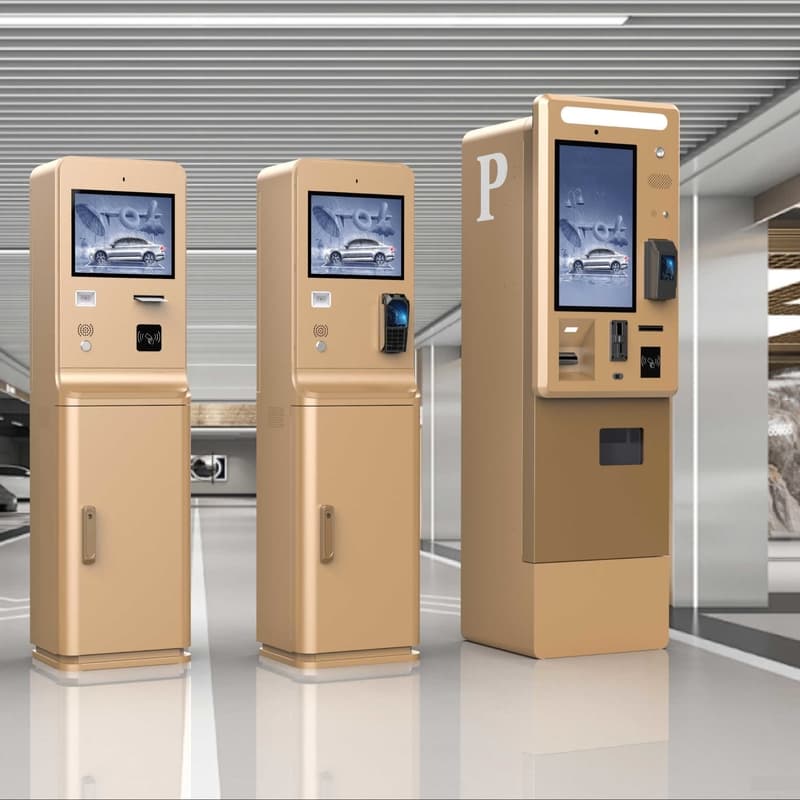 | 3. Payment Peripheral LayoutPayment modules need sufficient internal space and practical user access. We help plan the placement of:
Module dimensions, operating clearances, cable connections and service access are reviewed during layout planning. |
A parking kiosk can contain an industrial computer, power supply, display controller, communication devices, payment modules and multiple peripheral interfaces.
Internal layout planning considers mounting brackets, cable routing, heat dissipation, electrical protection and replacement access.
A practical design should allow components to be assembled consistently and serviced without unnecessary disassembly.
Parking equipment may be floor-standing, wall-mounted or installed beside a vehicle lane.
For vehicle-accessible terminals, we review the intended vehicle approach, operating height, ground slope and driver reach.
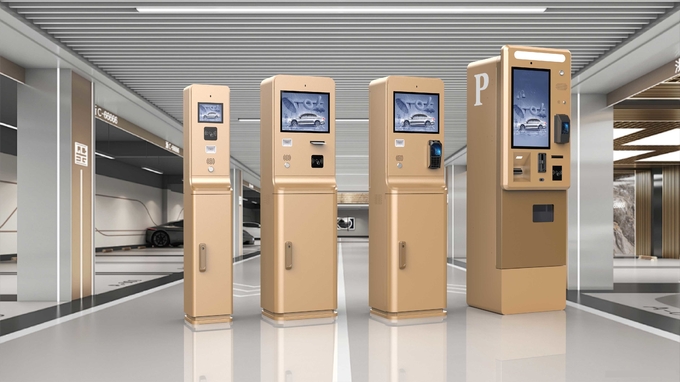
Lean Kiosk's published underground parking project demonstrates why site-specific cabinet height and lighting details can matter in a real installation.
A visually attractive kiosk must also be suitable for repeatable production.
Engineering review can cover sheet-metal structures, component mounting, cabinet access, surface finishing and assembly feasibility.
Design approval helps reduce avoidable modifications during manufacturing.
 |
Develop terminals combining interactive screens, payment readers, scanners and receipt printing for self-service parking fee collection.
Configure ticket printing or dispensing hardware, identification devices and the required interaction interface.
Plan centralized payment terminals with payment peripherals, display interfaces and suitable maintenance access.
Consider exposed installation conditions, physical protection, communications and service access.
Adapt equipment to covered or underground environments, including restricted installation space, low lighting and vehicle-lane requirements.
Step 1 — Requirements: Review application, payment workflow, installation drawings and expected hardware functions.
Step 2 — Configuration: Select proposed screens, computing hardware, peripherals and interfaces.
Step 3 — Layout: Prepare the cabinet arrangement and component positioning for review.
Step 4 — Engineering: Evaluate mechanical structure, electrical requirements, access panels and manufacturability.
Step 5 — Confirmation: Finalize agreed drawings, configuration details and prototype requirements.
Step 6 — Validation: Check the design through sample assembly and relevant functional tests where included in the project.
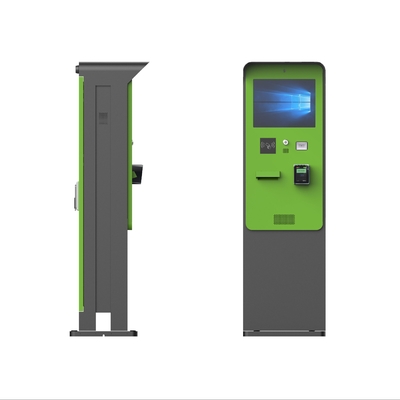
Review the terminal's installation position and cabinet height according to the vehicle lane and intended user.
Evaluate component dimensions, mounting space and access requirements before approving the cabinet.
Plan suitable service doors, removable mounting structures and cable access.
Consider brightness, viewing angle, installation orientation and environmental lighting.
Simplify structural details and confirm material, fabrication and assembly requirements.
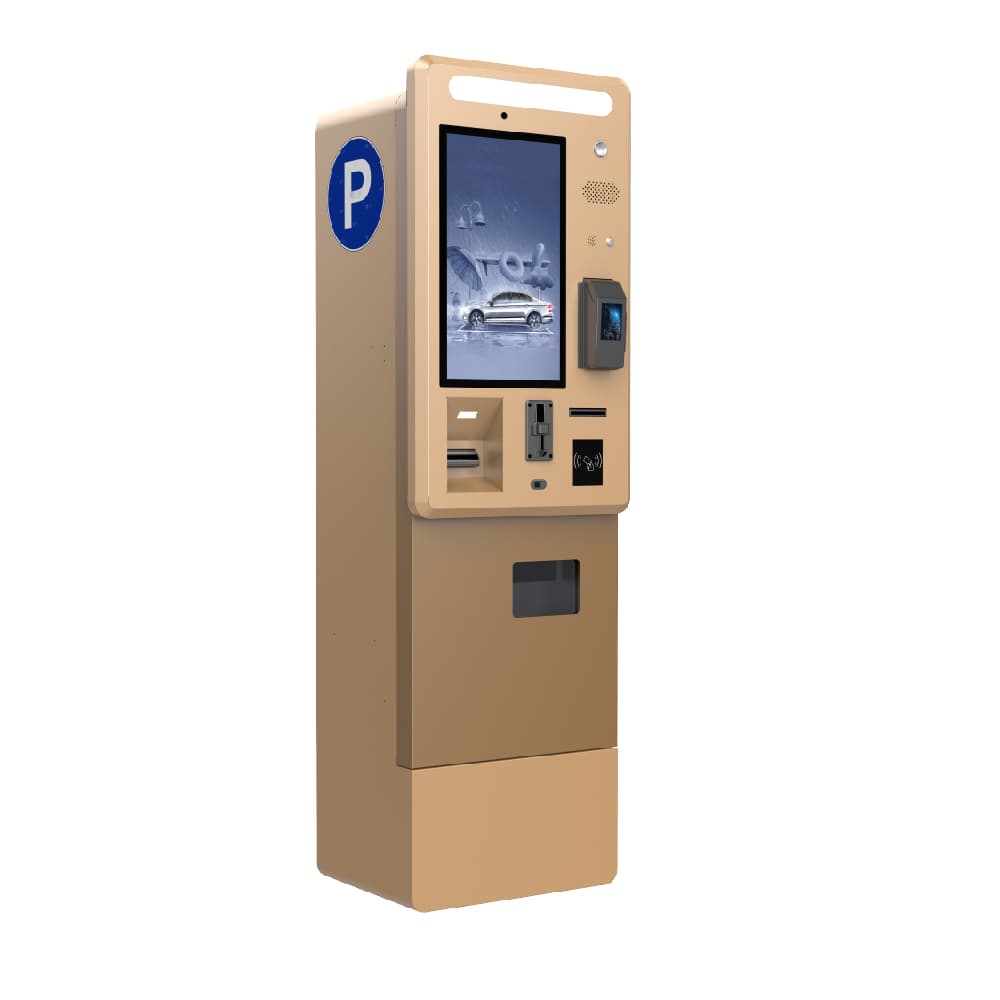
Lean Kiosk combines kiosk manufacturing experience with hardware customization and engineering coordination.
Our design services are intended to help parking equipment brands, distributors and system integrators develop practical terminals that meet their intended application.
Rather than treating enclosure design and hardware selection as separate tasks, we review how they affect each other during development.
Yes. Existing models can be reviewed for changes to cabinet dimensions, screen layout, peripherals, appearance and other agreed features.
Yes. Provide lane drawings, installation heights and vehicle interaction requirements for engineering evaluation.
Yes. Customer-specified components can be evaluated for physical fit, electrical requirements and system compatibility.
The screen's physical position and hardware configuration can be customized. Software screen layouts are addressed separately through UI customization.
Yes. Approved designs can be evaluated for prototype development and subsequent OEM/ODM production.
Send reference images, functional requirements, hardware preferences, installation details, quantity estimates and any existing drawings.
Need a parking payment terminal or ticket machine designed around your installation?
Contact Lean Kiosk to discuss your parking kiosk design requirements, preferred components and manufacturing objectives.